
From wireless energy transmission to efficient receiver design, this competition is all about developing the power systems to keep a space elevator running. Teams must conceptualize innovative solutions for sending energy wirelessly from a source to a receiver, simulating the systems that can one day power space elevator climbers on their journey to space.
The Unseen Engine
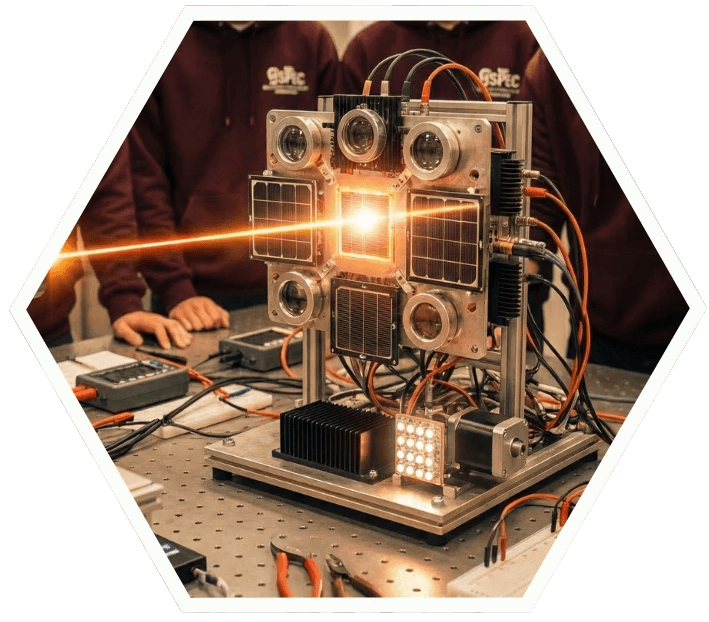
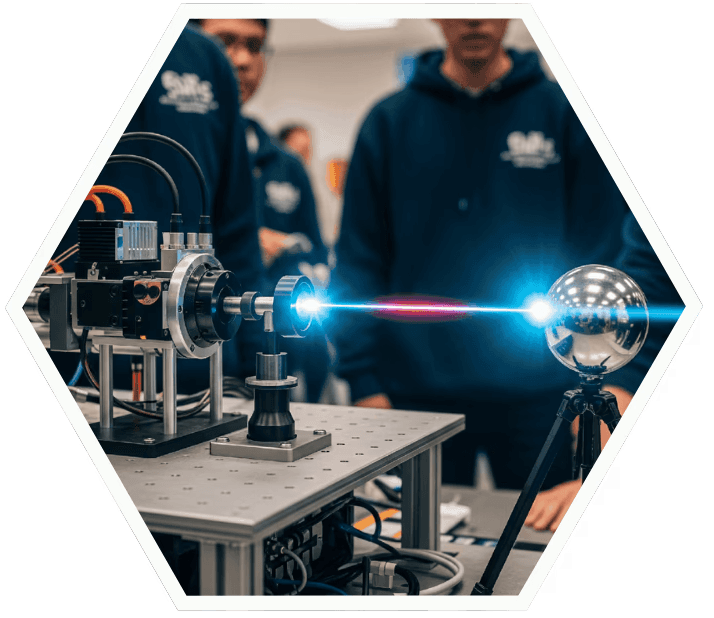
A space elevator climber cannot carry enough stored energy for its entire ascent. Power beaming, the wireless transmission of energy via electromagnetic waves like lasers or microwaves, is the critical solution. Its development involves challenges in power transmission, reception, and efficiency, making it a central focus for achieving the long-distance, reliable operation needed for continuous space access.

A Multi-Year Journey
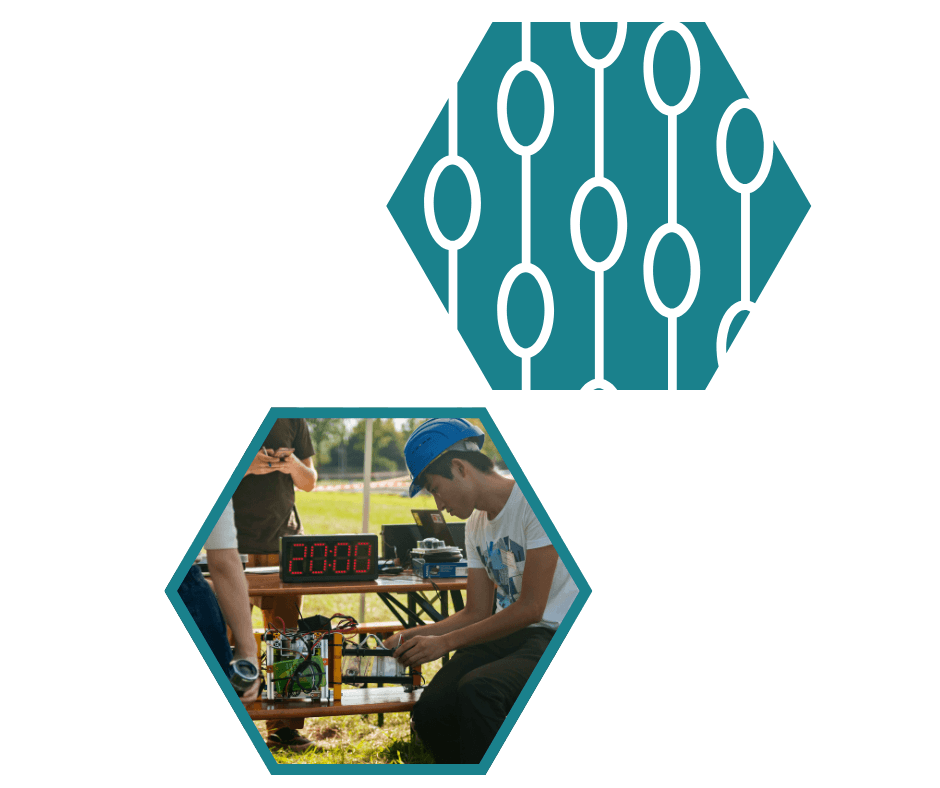
The Power Beaming Competitions are a staged program designed to grow over several years. It begins with this call for white papers to establish a strong theoretical foundation. Then the competition moves to hardware, where teams will build and demonstrate their prototype systems in a standardized environment.

The Challenge
Research, design, and propose a power beaming system, submitted as a white paper, that:
Details a full system architecture, its components, and operational principles.
Analyzes the system's technical feasibility, with a heavy focus on power efficiency (ie minimal power loss).
Discusses how the concept can be scaled.
Outlines the practical steps, budget, and resources needed for prototype development.
Considers all necessary safety protocols and reliability measures.
Submitted white papers must detail a concept poised for prototyping. Selected teams will present at WSPEC, leading to the hardware competition, where teams will build and test their prototypes, with performance judged on measurable efficiency and the system's ability to scale.